1966
Once Upon a Time in Hollywood1966 marks a turning point in Cliff Booth’s life and reputation. After Billie Booth died in a boat incident, the authorities classified her death as misadventure, but many in Hollywood’s stunt community believed Cliff had killed her. The same year also finds Bruce Lee, still playing Kato on The Green Hornet, regarded with hostility by American stuntmen for his conduct during fight scenes.
A death officially labeled misadventure
Billie Booth’s death occurred after Cliff had spent hours trying to persuade her that the diving-equipment accident was what he said it was; in the process, he convinced himself as well. When the United States Coast Guard tried to transfer her from the boat to the dock and an ambulance, she fell apart. Cliff had admitted that Billie had been drinking, but authorities unfamiliar with her did not understand what that meant to people who had seen her berate him in public. Stuntmen and their wives, the account says, interpreted her drinking as part of the conflict that might have preceded her death.
The suspicion was not proof. Cliff’s account—that Billie’s death resulted from a tragic mishandling of diving equipment—was plausible, and the authorities could not establish what had happened between two people alone on a boat in the middle of the ocean. Because investigators had to disprove Cliff’s version, rather than simply find it doubtful, Billie’s death was labeled misadventure.
Cliff’s reputation changes
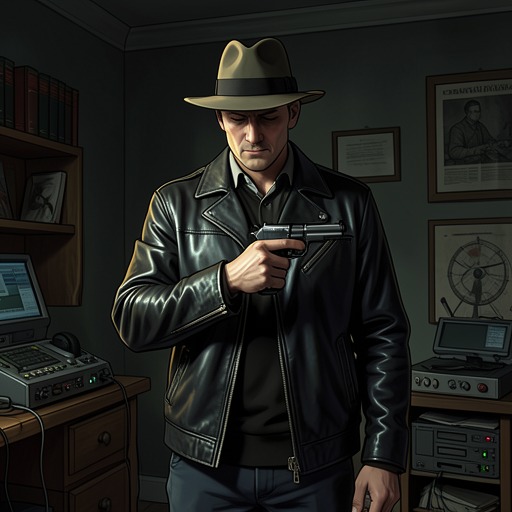
The official finding did not settle the matter among Cliff’s colleagues. Many stunt-community members had seen Billie berate him while drunk, and they believed he had killed her after she said too much. The narrative keeps the precise instant of the shooting morally unsettled: it weighs whether Cliff made a conscious decision, acted instinctively, or pulled a hair trigger almost by reflex. It also describes him as carrying guilt and remorse while still trying to evade punishment. He treated the event as a reckless act he could punish himself for, rather than a crime for which he should spend twenty years in prison.
The change in his standing was stark. Cliff was admired for his distinguished military service and celebrated as a World War II hero, with more confirmed kills of Japanese enemy soldiers in the Pacific theater than any other American serviceman. But once suspicion about Billie’s death spread in 1966, his war record became only the second thing for which he was most known within the stunt community. His work as Rick Dalton’s stunt double was less notorious still. From then on, people in the know regarded him as the man who had got away with murder.
Bruce Lee and the stunt community
The year also places Bruce Lee in a very different kind of conflict with American stuntmen. In 1966, while playing Kato, the Green Hornet’s sidekick, Lee had a bad reputation among the stunt players working on the show. He showed little regard for them and made that disrespect apparent by striking them with his fists and feet during fight scenes. Repeated warnings did not stop the behavior; like Robert Conrad, Lee offered excuses that made the stuntmen seem responsible. The result was practical as well as personal: a whole group of stunt players refused to work with him.
A year of disputed violence
These strands make 1966 a year defined less by an uncontested public record than by what people believed they had witnessed. In Billie’s case, a plausible account and the difficulty of proving what happened allowed the official ruling to stand while suspicion endured. In Lee’s case, repeated behavior on a television set turned disrespect into a collective refusal to work with him. The year thus links two different pressures within the stunt world: the gap between legal judgment and professional knowledge, and the consequences of conduct that colleagues would no longer tolerate.